
Inclusive Leadership Coach & Mentor ~ Neurodiversity Specialist ~ Aspiring Non-Exec Director ~ Entrepreneur ~ Diaspora Community Archivist ~ Digital Nomad ~ Speaker
The word “conference” is said to originate from the Latin word conferre, meaning to bring together or deliberate. Amazing things can happen in conference spaces when you bring people together. Central to my professional life, I always come away from conferences with something enriching. That said, not all are created equal, and I can’t lie, I’ve attended a few that weren’t worth the effort. So, why two conferences in two continents on the same day? And what did this have to do with #leadership?.
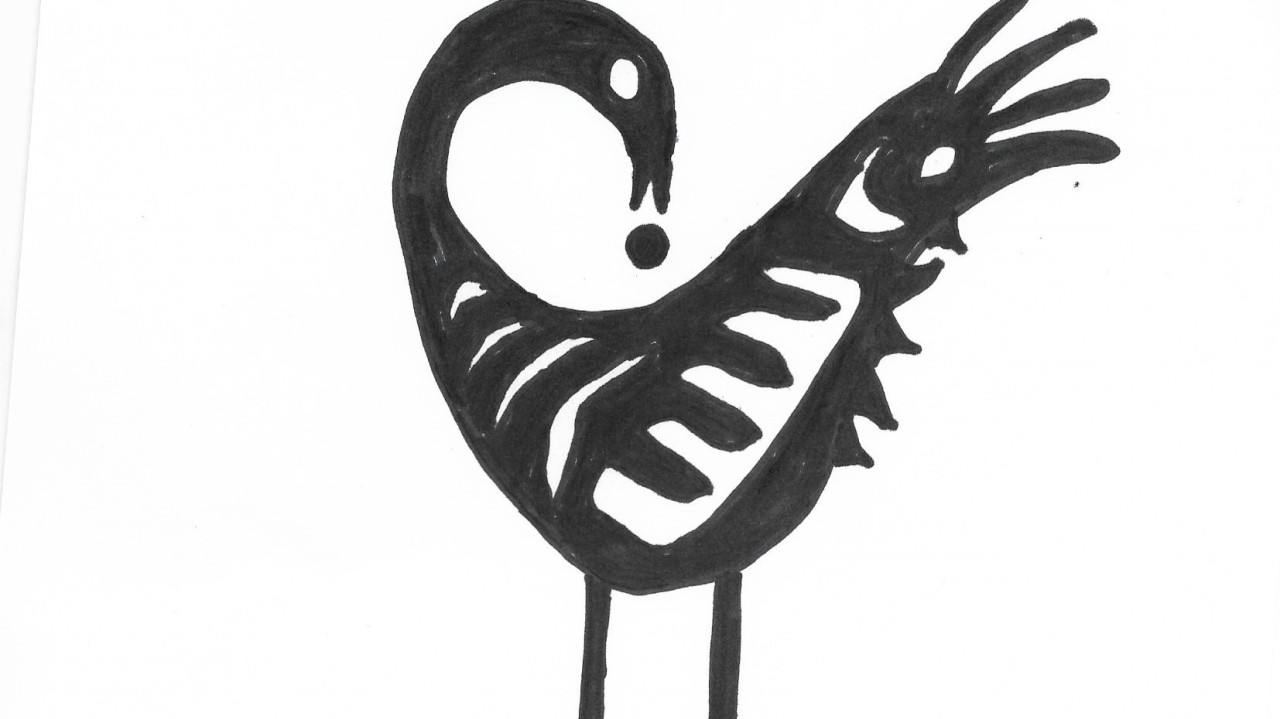
My answer came via the Ghanaian concept of Sankofa, represented by a mythical bird facing forwards while looking backwards. Sankofa is a Twi word which means “go back and fetch it”. In other words, we must look to our past to inform our present and future. Sankofa reminds us that leadership is not for the swift and faint hearted. Being the person that speaks up isn’t always rewarded and you may not see the seeds you sow bear fruit in your lifetime.
This was the inextricable link between both conferences. Both pose the question “Who gets to decide what counts as knowledge?”
PASSHE
I’m a ten-year veteran of @PASSHE conferences. Now a retired member, I look back on many positive changes, led by good people. This year’s big change was going hybrid for the first time. Unfortunately, what hasn’t changed is I still don’t need all the fingers on both my hands to count the number of conference attendees who look like me. This #underrepresentation in such an important and influential setting in Birmingham, one of the most ethnically diverse cities in the UK, brought me back year after year to ensure global majority stories are told, heard and acted upon. PASSHE asks of me that I go back and fetch those missing who should be part of the conversation and the change. In this sense, Sankofa means I bring with me the work others have done before me to make sure we build a better tomorrow.
Black Voices in Coaching Research Conferences
Although this would be my first @blackvoicesincoachingresearchconferences conference, I knew intuitively I was meant to be there. My leadership is firmly rooted in my identity as a Black working-class woman, born in England to Jamaican parents, who were proud of their African heritage while navigating life in the hostile conditions of what they were told was the “Mother Country”. Contrary to popular belief, I was surrounded by leaders of all descriptions and I did my best to be a good student. This lived experience meant I recognised unfairness and kindness at an early age; I was raised to respect everyone (until they gave you a reason not to) and fear no one.
Long before I’d heard of #Ubuntu (or leadership for that matter) I learned the importance of community at home, my local community and work. #Ubuntu is a knowledge system originating from southern Africa which gained global attention as a framework for justice in the 1990s largely thanks to Nelson Mandela and Archbishop Desmond Tutu. According to #Ubuntu, our human existence is only ever in relation to others as captured in the saying “I am because we are; because we are, therefore, I am”. One can only lead completely in relation to others.
This is not about ticking a DEI box; it’s the secret sauce organisations look to embed within their culture.
This was the first time my coaching philosophy and practice had been validated outside of the UK by a global community of changemakers. It was a bringing together that looked and felt distinctly unique – the way people who met for the first time felt like long lost friends, the mutual respect, the way each story built on the previous one, the way knowledge flowed in different directions through the media of speech, music and movement, each one embodying the spirit of #Ubuntu.
One of the biggest insights was how some research traditions have acted as gatekeepers, making it harder for Indigenous knowledge systems to be recognised alongside more established Western models. It was the Ubuntu mindset that enabled researchers, coaches and entrepreneurs to come together in a non-hierarchical space to explore the pros and cons of recognised coaching models and find our own solutions. The clarity I got was that my purpose is to continue going back and fetching ancestral wisdom and sharing it in a way that transforms future leaders.
I left Johannesburg affirmed that much of what I had instinctively practised for years finally had a language, a lineage and a global community. I'll be sharing more reflections from both conferences and what these experiences mean for #coaching, #neuroinclusion, #organisational culture and #leadership practice. It turns out my biggest lesson wasn't about attending two conferences in quick succession, it was that the future of leadership will belong to those who are curious about wisdom beyond what feels familiar, and who are bold enough to bring Western and Indigenous knowledge, global research, lived experience and belonging into the same purpose-driven, action-oriented conversations.
#leading completely